Millions of small businesses that once relied on brick-and-mortar locations are now pivoting to eCommerce. Learn how they are embracing online business models.

Millions of small businesses that once relied on brick-and-mortar locations are now pivoting to eCommerce. Learn how they are embracing online business models.

They say the riches are in the niches. We shared some key ways you can source and market standout products in emerging niches.

If your brand isn’t yet a household name and you have an eCommerce store, it can be a challenge to get potential buyers to trust you with their information. Here are some proven ways to show that your eCommerce store is trustworthy.

Driving organic traffic to your online store can help you acquire customers and drive sales in an automated and cost-effective way. Learn how to rank higher in search results by improving your eCommerce store’s SEO.

Your eCommerce supply chain is one of your biggest assets. Learn how to make it more efficient and secure no matter what challenges come your way.

eCommerce businesses are in a unique position. Not only can they continue to sell and conduct business during COVID-19, they also have opportunities to grow their businesses.

Due to COVID-19 Amazon FBA warehouses have delayed all shipments of non-essential items. As a result, FBM is on the rise and sellers need to find shipping software to help fulfill their orders.
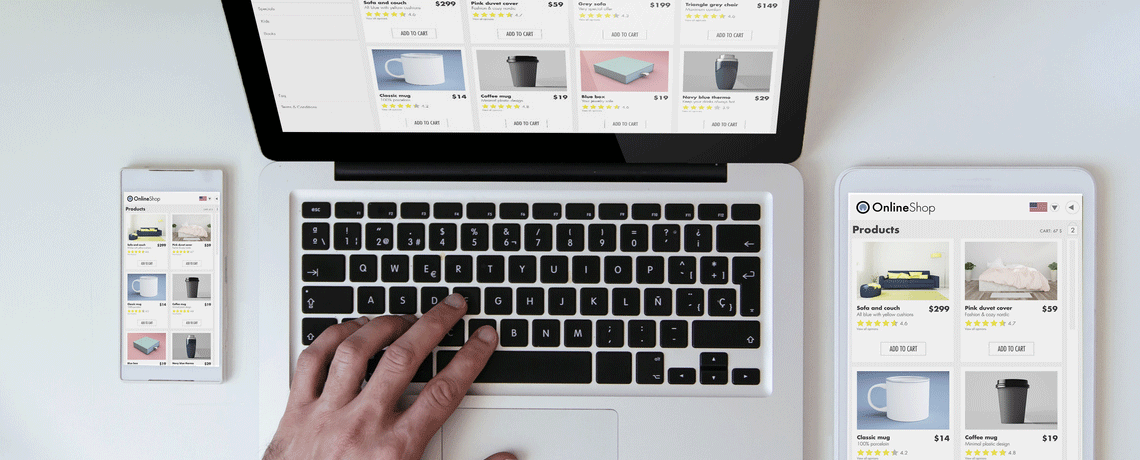
On Shopify, the biggest challenge is often generating demand for your products. Unlike marketplaces that bring customers to you, having your own website is different in that you are responsible for generating 100% of your demand.

In breakneck speed, you as eCommerce sellers have become the lifeblood of supply to America. The work you will do in the coming weeks and months will feed, clothe, comfort and clean Americans across this great nation – and we stand by to partner with you and provide you with the capital you need to fulfill that mission.

Recent worldwide events have put the need for emergency plans front and center. Here are some ways to protect yourself and your business should something go wrong.
No matter what size, niches or stage your eCommerce business is in or what channels you sell on, chances are, you have unsold or seemingly unsellable inventory that you’d like to get off your hands. Due to the rising costs of warehousing, FBA fees and storage, it often doesn’t make sense to hold on to unsold inventory for long.

eBay is in a slow, yet steady process of switching over from PayPal to eBay Managed Payments. Like all changes Managed Payments has its pros and cons. Here is what this change means for eBay sellers and what your options are.